

Knowing which pumps are and aren’t covered by insurance can feel tricky to navigate. In this article, an IBCLC walks you through what you should know.
This article was written and reviewed for accuracy by an International Board Certified Lactation Consultant (IBCLC), Jaren Soloff.
The decision to breastfeed your little one is momentous, filled with love and nurturing. But we understand that it can come with its own challenges, especially when juggling the demands of motherhood.
Pumping can be an incredible option to help share the load of feeding during postpartum. Many insurance plans in the United States now cover breast pumps, and a few companies, such as The Lactation Network, are trying to make it even easier to connect you with a pump for your postpartum journey.
Three steps to determine if your pump is covered by insurance
- Chat with your insurance company
- Talk to your healthcare provider
- Get the lowdown on costs
So, how do you even check if your insurance covers a breast pump? Here’s what you need to know.
1. Chat with your insurance company
First, ring your insurance company’s customer service or visit their website. They’ll be your go-to source for all the nitty-gritty details about breast pump coverage and the steps to follow.
Typically, they will partner with certain pump companies and have a few of their models available for you to choose from (Medela, Spectra, and Lansinoh are popular brands).
2. Talk to your healthcare provider
Talk with your healthcare provider about your breastfeeding goals. Ask them if they can provide a prescription for a breast pump because that little piece of paper is your golden key to coverage.
Some companies, such as The Lactation Network mentioned above, can verify your insurance benefits directly and give you some pump options (without the prescription).
3. Get the lowdown on costs
Don’t forget to ask about any deductibles, copayments, or restrictions that might apply to your breast pump coverage.
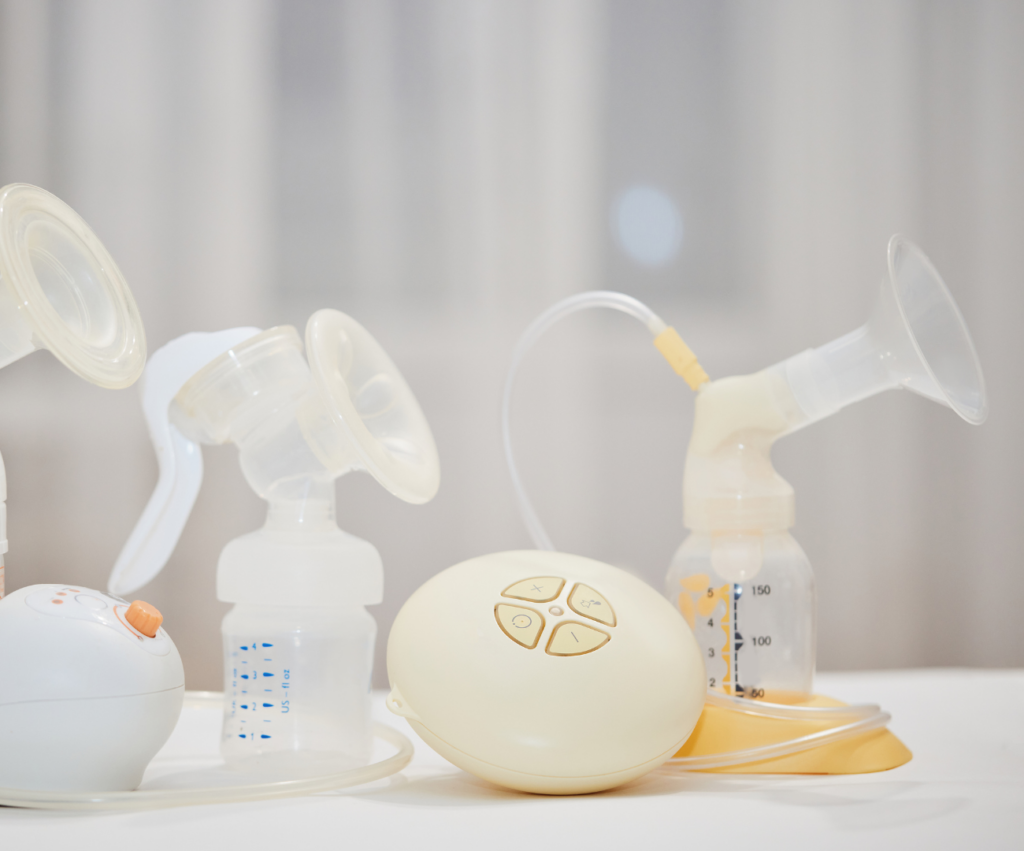
Some pumps cost more than others based on the type (for example, a double electric pump, often used for mothers who return to work, is more expensive).
Helpful tips while navigating your pump and insurance
- Start early
- Get pup savvy
- Familiarize yourself with the pump
1. Start early
Give yourself plenty of time to explore your options, and make sure you’ve got your breast pump ready when your baby arrives.
As a lactation consultant, I typically recommend expecting mamas to schedule a prenatal visit with me between 34 and 36 weeks to ensure that we can discuss your pumping needs, size your flange, and help you with any logistics related to securing your pump.
Depending on your feeding plan, you may or may not need to pump after the baby arrives.
2. Get pump savvy
It seems there is a new pump on the market every few weeks – manual, electric, hospital-grade; these are all different types of pumps available to you.
Take your time to choose the one that fits your lifestyle, and know you can always select an additional pump after your baby arrives if needed.
3. Familiarize yourself with the pump
Familiarize yourself with your breast pump and how it works. Your lactation consultant can help you set it up at a postpartum visit; however I always recommend trying to experiment with the settings before the baby comes so that you don’t have to try and figure it out while sleep-deprived caring for a new baby!
Final thoughts on your breast pump and insurance coverage
Breastfeeding can be a beautiful journey, and insurance coverage for breast pumps can be a huge support to help you meet your feeding goals.
Remember, there’s a whole team of healthcare professionals and insurance reps ready to help you on this parenting adventure, ensuring you and your precious little ones receive all the love and care you deserve. Happy pumping, mamas!
Other articles you might find helpful
- Exclusive Breast Pumping Schedules by Age: An IBCLC Shares What to Know
- 16 Must-Know Breast Pumping Tips for New Moms
- Exposed: 5 Common Myths About Breastfeeding (And the Facts You Should Know Instead)
Article references
Bowers, Alli and Larry. “The Lactation Network: Lactation Care, Breast Pumps, Education.” The Lactation Network, 28 Sept. 2023, lactationnetwork.com/.
“Breastfeeding Benefits.” Breastfeeding Benefits | HealthCare.Gov, www.healthcare.gov/coverage/breast-feeding-benefits/. Accessed 10 Oct. 2023.
Center for Devices and Radiological Health. “Types of Breast Pumps.” U.S. Food and Drug Administration, FDA, www.fda.gov/medical-devices/breast-pumps/types-breast-pumps. Accessed 11 Oct. 2023.