

With the mounting pressure to look like you “didn’t have a baby,” here’s a helpful way to re-frame the bounce-back culture into something actually supportive.
Becoming a mother was a life-altering experience, filled with immense joy and a whirlwind of changes. I vividly remember the day my firstborn came into the world; it’s a memory I hold close to my heart.
But it wasn’t just my heart that transformed – my body had gone on its incredible journey of change.
As a nutritionist and naturopath, I’ve spent years helping others on their wellness journeys, providing guidance and insights for better health.
But nothing could have prepared me for the unique journey of motherhood and the personal transformation it brought. In the weeks and months following childbirth, I was faced with a body that bore the beautiful marks of motherhood but also the challenges of postpartum recovery.
Related: 12 Tips on How to Love Yourself as a New Mom
Ditching bounce-back culture for something more body-supportive
During this period, I encountered a term that resonated deeply with me: “Feel-good weight.” It’s not about conforming to the unrealistic and often unhealthy standards perpetuated by the ‘bounce-back’ culture but about embracing the weight that makes you feel healthy, confident, and at peace with your body.
My journey taught me it’s not about rushing to shed the post-baby pounds but prioritizing our long-term health and well-being.
My professional background allowed me to approach this journey with a unique perspective, combining my clinical knowledge with the raw, firsthand experience of motherhood.
“(Feel good weight) is not about conforming to the unrealistic and often unhealthy standards perpetuated by the ‘bounce-back’ culture but about embracing the weight that makes you feel healthy, confident, and at peace with your body.”
I learned that focusing on my health was beneficial for me and essential for the well-being of my child and family as a whole. It’s a path filled with challenges, milestones, and moments of self-reflection.
In this article, I’m sharing the wisdom I’ve gained along the way, marrying my clinical experience with my transformation, and offer guidance to fellow postpartum mothers on achieving their feel-good weight and, more importantly, lasting well-being in the beautiful journey of motherhood.

“Feel-good weight” vs. bounce-back culture
Feel-good weight
- Focuses on sustainability
- Considers women’s unique needs
- Encourages long-lasting results
- A holistic, all-encompassing, nourishing approach
- The end goal is to feel healthy, comfortable, and confident
Bounce-back concept
- Focuses on rapid weight loss
- Based on societal pressure to lose weight
- Doesn’t consider a postpartum woman’s overall needs
A “feel-good weight” is the weight at which you feel healthy, comfortable, and confident in your skin.
It’s different from the “bounce-back” concept, which often focuses solely on rapid weight loss and doesn’t consider postpartum women’s unique needs and experiences.
The reality is that feeling good in your body, especially after such a significant change, is a genuine concern for most women, and the key is doing it sustainably, holistically, and for long-lasting results.
A focus on a nourishing postpartum journey
As a nutritionist and naturopath, I’ve witnessed the transformative power of balanced nutrition in the lives of countless women, helping them achieve their health and wellness goals.
However, when navigating the postpartum period, I realized that this chapter of life presented a unique set of nutritional challenges and opportunities. Balanced nutrition is profoundly significant for postpartum mothers in terms of recovery and long-term well-being.
Read next: Budget-Friendly Ideas for Nourishing (and Easy!) Postpartum Recovery Food
Postpartum mothers should focus on recovery, postnatal depletion, and establishing a healthy routine during the first few months. Knowing the pillars of postpartum nutrition can be helpful, too.
There’s no fixed timeline for making changes. It’s a highly individual process, depending on when you feel your body requires change.
It wasn’t until my first son was 14 months old and I struggled to get an empty suitcase from a shelf that I realized the need to take better care of my body.
The timing can vary, but it’s crucial to tune in to your body’s cues and decide to change when you feel your body is not in balance.
Where to begin in discovering your feel-good weight
If you’ve been brought up in a culture heavily influenced by dieting, the temptation to try restrictive diets or nutrition hacks for weight loss might be substantial.
The thing is, these diets are not sustainable in the long term. Restrictive diets often neglect complete nutrition and lead to temporary results, fostering a vicious cycle of dieting.
You cannot rely on highly restrictive diets in the journey to reach your feel-good weight postpartum. The postpartum period is a sensitive time when the body requires a high intake of essential nutrients for both recovery and well-being.
Moving beyond diets in postpartum
If you’ve ever attempted to manage your weight through dieting, you may have experienced short-lived and unsustainable outcomes. If this has been your struggle, consider that you may be focusing on the wrong aspect.
Think of it as an iceberg – the tip is visible above the water, while much remains hidden beneath. The iceberg I am referring to is you. Often, unseen forces hinder change, and if you can’t identify these forces, making meaningful change is challenging.
We must shift our perspective to nourishing ourselves, listening to our needs, and giving ourselves grace.
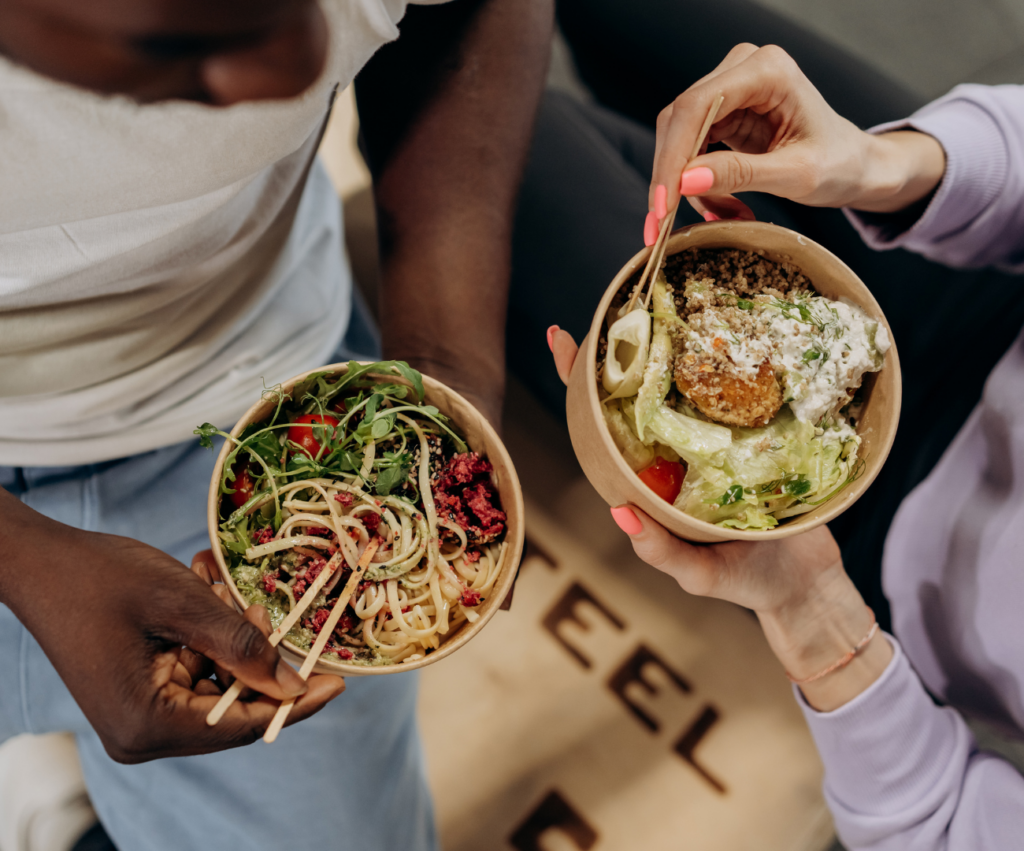
You can enjoy a variety of foods and still reach your feel-good weight by understanding which foods support your health goals and how to achieve complete nutrition to feel full and satisfied without constant hunger.
Know your health goals
As mentioned, getting to your feel-good weight is a highly personalized journey. It might involve weight loss, weight gain, or maintaining your current weight. Knowing what you want for your health and body is crucial in determining your path.
When setting weight-related goals, it’s crucial to ensure they are achievable and deeply personalized to your unique needs and circumstances.
This often means embracing gradual progress, taking one step at a time, and practicing patience, understanding, and self-compassion.
Critical considerations for your postpartum nutritional needs
Your nutritional needs, reflecting your feel-good weight, often involve addressing habits before diving into nutrition. It frequently comes down to:
Understand and listen to your body’s cues
Distinguish between genuine hunger and mere appetite, and eat according to those needs.
Recognizing when and why you experience cravings
Cravings may be related to stress, exhaustion, or emotional factors. Identifying the root cause and addressing that can help overcome unwanted cravings and subsequent binging.
Foster a positive food relationship
Fostering a healthy relationship with food by not restricting certain foods as “bad.” Enjoying cake or ice cream while achieving your feel-good weight and maintaining good health is possible.
The most successful transformations I’ve witnessed occur when individuals adopt a holistic approach that moves away from dieting and embraces a healthier relationship with food, their bodies, and their health.
Other overall wellness factors to consider
Achieving your feel-good weight isn’t always as straightforward as “eat less and move more.”
Underlying factors can also hinder your progress towards feeling your best in motherhood (not just weight-loss related).
- Exhaustion
- Sleep deprivation
- High-stress levels
- Thyroid dysfunction
- Hormonal imbalances
- Nutritional depletion
I know these factors can sound like the job description of motherhood. But it’s essential they are also addressed because you are still a human with basic needs.
These issues often require a supportive network, a topic that goes beyond the scope of this article. But if your health and achieving your happiest, most vibrant self are priorities, seek the support you need to address these concerns.
My honest thoughts on weight loss after birth
In my journey through the postpartum period and pursuing a feel-good weight, I’ve come to appreciate the significance of lasting well-being. Restrictive diets often lead to short-lived and unsustainable results.
Instead, I’ve learned to focus on understanding my unique nutritional needs, addressing underlying factors that hinder progress, and shifting my perspective toward nourishing myself in a way that promotes lasting health.
I hope that, just as I’ve discovered the path to well-being through self-acceptance and a more balanced approach to nutrition, you too can embark on a journey leading to sustainable, long-lasting health.
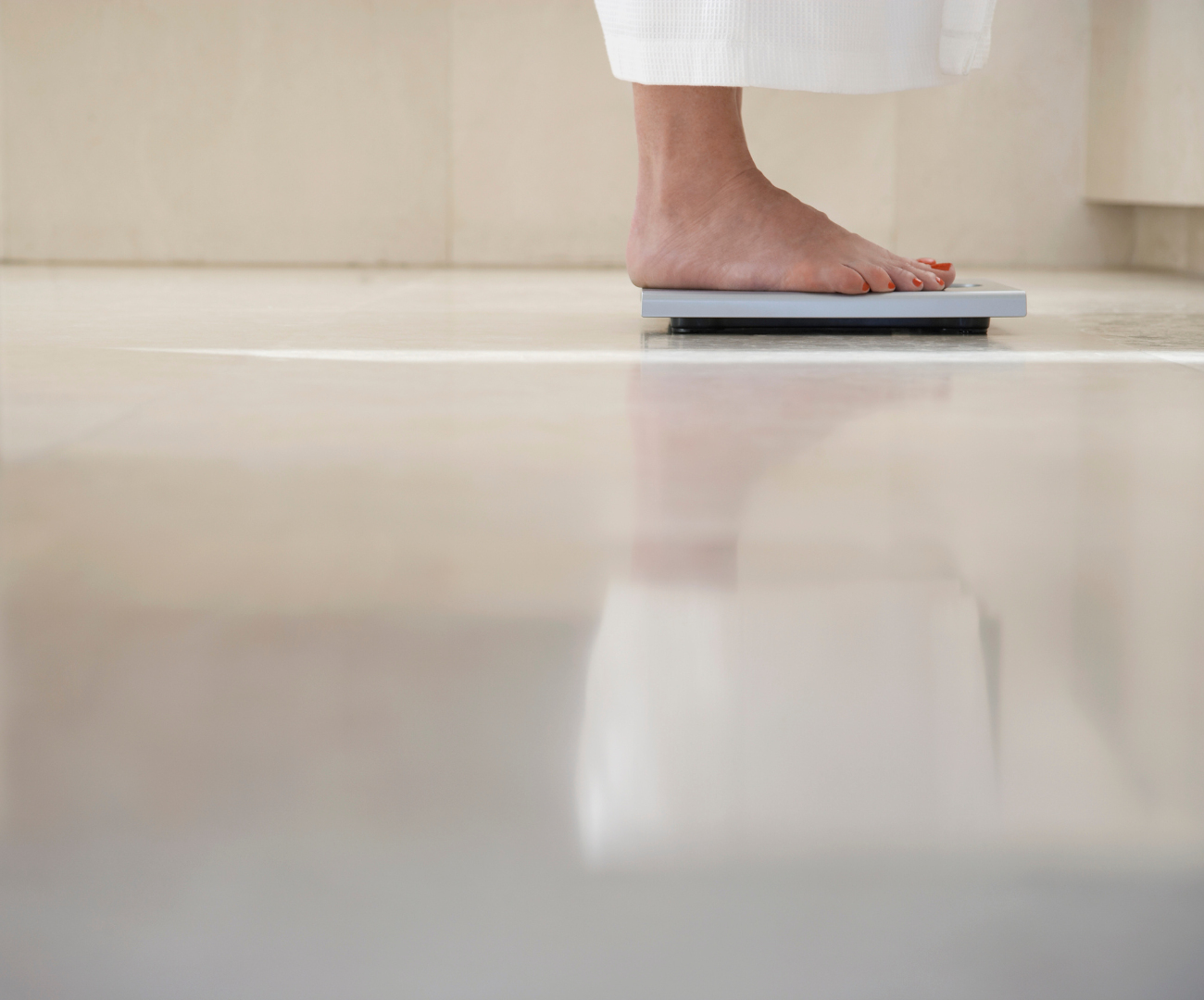
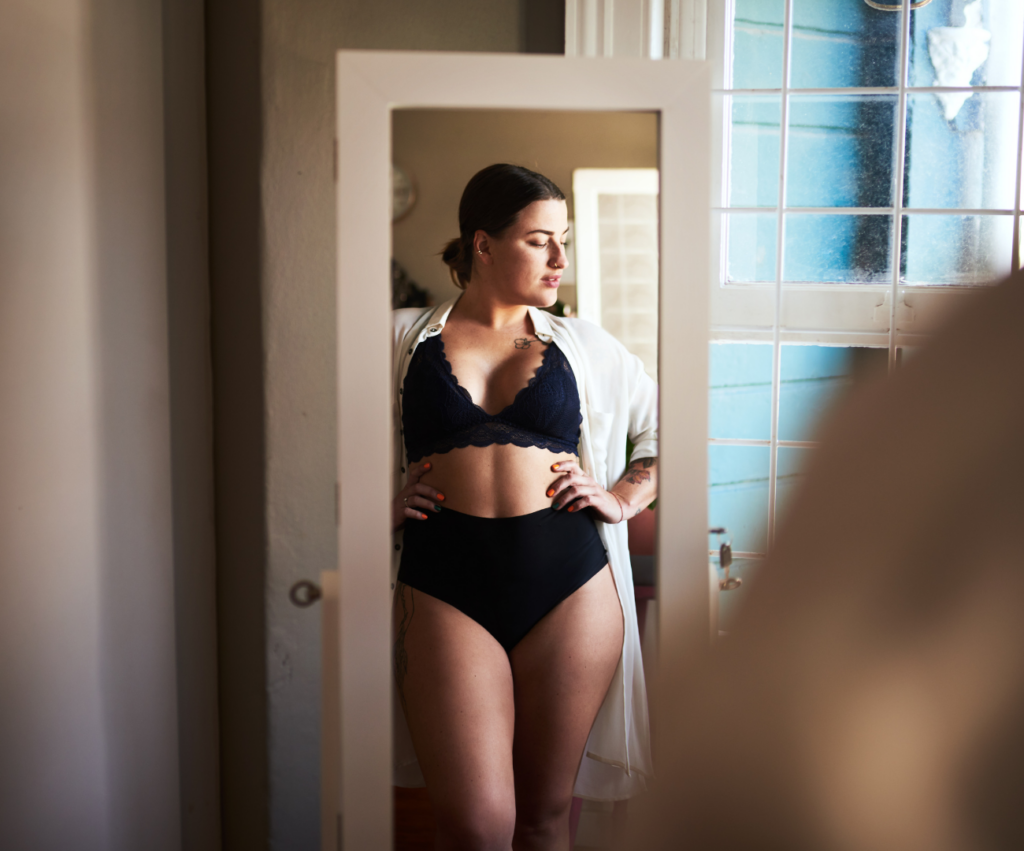
The key takeaway is that achieving a feel-good weight is not about numbers on a scale but about self-care, self-acceptance, and a holistic, personalized approach to nutrition and well-being.
Other articles you might find helpful