


Ever felt like you’re in the middle of a storm, with waves crashing all around and no land in sight? That’s what struggling postpartum can feel like. But there is hope on the horizon – postpartum therapy.
I remember staring at my beautiful newborn, feeling overwhelmed by emotions I couldn’t quite put a name to. I was supposed to feel joyous, didn’t I? Instead, tears streamed down uncontrollably, and sleep eluded me.
I felt anxious, too jittery to sleep when I finally could, and I worried about every little thing (and tracked every feed, poop, and nap down to the second).
You might relate or know someone who does; navigating this uncharted territory alone can be terrifying.
This guide will throw you that much-needed lifeline – expert insights into understanding postpartum depression and anxiety symptoms and finding professional help nearby.

Editor’s Note: This article is for informational purposes only and should not be used to diagnose or treat any mental health disorders. Please reach out to your care provider for further support or with specific questions.
Understanding postpartum depression and therapy
PPD is a severe disorder that some mothers may experience anytime in the first 12 months following childbirth, with manifestations varying from extreme sorrow to being overwhelmed, sudden changes of moods, crying spells, anxiety, and fatigue.
Related: Breastfeeding Makes Me Sad: Is D-MER to Blame?
Symptoms can range from intense sadness to feeling overwhelmed, frequent mood swings, bouts of crying, anxiety, and exhaustion.
Defining postpartum depression
If you’ve been wondering why you feel the way you do, knowing that many other women experience similar emotions is essential. PPD affects many women worldwide (estimates are as high as 1 in 5); it’s not just ‘baby blues.’
It goes deeper than occasional sadness or stress – although those are part of the post-baby reality for most mothers. In contrast to baby blues, which usually subsides within a few weeks post-delivery, PPD symptoms persist longer and are more severe.
These may include losing interest in things you usually enjoy or even feeling indifferent towards your newborn – thoughts that might make you feel guilty or scared.
The role of therapy in managing postpartum depression
You don’t have to face these feelings alone – therapy plays an important role here. Engaging with professionals specializing in perinatal mental health can provide valuable support during this challenging time.
A postpartum therapist near you, equipped with specialized training in treating PPD symptoms like overwhelming anxiety and deep-seated fatigue, among others, will be able to guide you through the recovery process effectively.
They’ll offer coping tools and provide reassurance about what you’re experiencing — letting you know it’s common among new mothers facing similar challenges.
Related: The Best Postpartum Journals for New Moms
Depending on their training and individual needs, therapists may offer different therapeutic approaches, such as CBT, IPT, or DBT. It may also involve individual sessions, group therapy, or a combination of both.
Some therapists even offer online support groups where you can connect with others facing similar struggles — because sometimes it helps to know that others understand what you’re going through.
When regular therapy sessions don’t bring relief to PPD symptoms, it might be time to consider medication as a potential solution.
Key Takeaway:
Postpartum depression (PPD) is a real, severe condition that many new moms experience.
But you’re not alone – therapy can be your lifeline here. With a postpartum therapist’s help, you’ll gain tools for coping and reassurance about your feelings. Individual sessions offer crucial support during this challenging time.

Types of professionals who can provide postpartum therapy
When it comes to postpartum therapy, various professionals can lend their expertise. This includes psychologists, social workers, and psychiatrists.
Each brings unique qualifications and skills that are critical in helping new mothers navigate the challenging terrain of postpartum depression.
The role of psychologists
A psychologist plays an integral role in treating postpartum depression (PPD).
They have varying degrees with years of training under their belt, which allows them to provide effective therapeutic interventions for moms struggling with PPD symptoms.
Psychologists use various treatment approaches, such as cognitive behavioral therapy, to help manage mood swings and feelings of being overwhelmed or exhausted after childbirth.
Their primary focus is on understanding mental processes and how these affect behavior.
How social workers contribute to PPD treatment
Social workers offer another level of support during this crucial period for new mothers.
After completing graduate-level courses on human behavior, they’re well-equipped not just with theoretical knowledge but also practical strategies that help address perinatal mental health issues effectively.
Social workers connect women experiencing PPD with resources like Postpartum Support International, offering invaluable assistance by coordinating care between medical providers, community resources, and family members—essentially ensuring no stone is left unturned when it comes to providing holistic support.
Psychiatrists’ role in treating PPD
If you’ve ever asked yourself, “Is there any postpartum therapy near me?” you’ll be glad to know psychiatrists play a vital role here, too.
Psychiatrists undergo four years of medical school followed by additional training in mental illness management, which enables them to practice both psychotherapy sessions and prescribe medication if needed.
Their ability to prescribe medication can be particularly beneficial for women who experience severe PPD symptoms.
They monitor their patients’ development and adapt treatment plans as needed, supplying a thorough strategy for handling postpartum depression.
In conclusion, each professional—psychologist, social worker, or psychiatrist—brings unique skills and perspectives into the treatment process of PPD.
Key Takeaway:
Postpartum therapy is a team effort involving psychologists, social workers, and psychiatrists.
Each brings unique skills:
- Psychologists focus on mental processes with therapeutic interventions;
- Social workers provide practical strategies and connect mothers to resources;
- Psychiatrists combine psychotherapy with potential medication management.
Together, they ensure comprehensive support for new moms battling postpartum depression.

Finding a therapist for postpartum depression near you
Postpartum depression can be an overwhelming journey. But you’re not alone; assistance is available.
A vital part of that support network could be the right therapist. Finding them, however, may seem daunting, considering factors like availability and personal compatibility.
Using online resources to find a therapist
Digital platforms offer invaluable resources when searching for mental health professionals specializing in postpartum care. One such resource is the American Psychological Association Psychologist Locator.
This tool lets you search by location or specialty of therapists on perinatal mood disorders near your area.
The National Register of Health Service Psychologists, another tremendous database, allows users to narrow down their searches based on treatment methods or specific conditions, including postpartum depression symptoms.
If being physically close to your therapist isn’t crucial – say if teletherapy suits your needs – Postpartum Support International (PSI) offers global services through its comprehensive directory of specialized practitioners who are one click away from providing the needed guidance while struggling postpartum.
They also have a robust directory for finding a certified PMH-C therapist.
We also offer our growing directory of postpartum professionals in the Postpartum Expert Directory, featuring experts waiting to help and support new parents in their postpartum recovery journey.
Navigating insurance coverage concerns
Mental health care should not be sidelined due to financial constraints. The cost varies depending on multiple variables like provider qualifications and insurance coverage provisions, which might pay partial or full therapy costs.
- You may want to start by asking your prospective therapist about what kind of insurance they accept.
- Remember, many therapists offer a sliding scale fee structure for patients without insurance coverage.
The goal is to ensure you get the necessary support without undue financial stress.
Finding a good fit
Having trust and understanding in your therapist is critical. This bond matters a lot, as it’s crucial for treatment success. It’s about comfort – you need to feel at ease with them.
Key takeaway:
Finding the right postpartum therapist near you can feel overwhelming, but remember, help is just a click away.
Online resources like the American Psychological Association Psychologist Locator and Postpartum Support International help you find specialized professionals based on location or treatment methods.
Postpartum Support International provides global teletherapy services if distance isn’t an issue. Don’t forget to keep pushing forward in your search for support; it’s essential to your well-being.

The benefits of postpartum therapy
Postpartum therapy offers a beacon of hope for new moms grappling with the rollercoaster ride that follows childbirth. From emotional healing to improved self-esteem, let’s delve into why this mental health support is crucial.
Emotional healing through therapy
A pivotal part of postpartum therapy revolves around emotional healing. Birth can bring a wide range of emotions, from joy to trepidation. When these feelings escalate into postpartum depression or anxiety disorders, they can seem impossible.
Coping strategies learned in therapy sessions provide an effective toolset for navigating these turbulent waters. Therapists can assist in comprehending emotions and direct you towards more beneficial expression methods.
In essence, therapists offer validation – acknowledging that your emotions are authentic and valid goes a long way in promoting emotional well-being.
This acceptance helps alleviate symptoms such as mood swings often associated with perinatal mental health conditions like PPD (postpartum depression).
The role of therapy in improving self-esteem
Being thrown into motherhood can sometimes feel like trying to swim against the tide – it’s exhausting. The weight on one’s shoulders can lead some mothers down a path where their self-worth takes quite the hit.
This is where therapy shines through as more than just assistance; it becomes an empowering journey toward regaining control over life again.
Therapists foster positivity by focusing on strengths rather than weaknesses during counseling sessions, which directly bolsters self-esteem. Self-esteem therapy provides the tools needed to challenge negative thoughts and rebuild a healthy perception of self.
In turn, improved self-esteem significantly reduces feelings of being overwhelmed. It aids in fostering healthier relationships with not just oneself but also with loved ones around you – including your new baby.
Given all these points, it’s evident that postpartum therapy is crucial in supporting the mental health of new moms. It gives the help and advice they often need during this challenging life change while teaching key ways to handle stress.
Key Takeaway:
Postpartum therapy serves as a lifeline for new moms, helping them navigate the emotional highs and lows following childbirth.
It offers tools to cope with overwhelming feelings, fostering emotional healing and validating emotions. Furthermore, it bolsters self-esteem by focusing on strengths over weaknesses and challenging negative thoughts.
Simply put, postpartum therapy empowers women during this transformative life phase.
Choosing a therapist for postpartum depression
Uncovering the perfect specialist to support you with your postnatal depression (PPD) is essential. Here’s what to consider.
The importance of qualifications
A therapist with a master’s degree in psychology or related fields typically has the theoretical knowledge and practical skills necessary for PPD therapy.
Their education should ideally be supplemented by experience working specifically with perinatal mental health issues. Ideally, the therapist has a PMH-C designation, which identifies their experience and certification in perinatal mental health.
You want someone who understands what you’re going through and can guide you towards recovery effectively. Ask about their training and background, ensuring they’ve had additional training beyond their degrees focused on postpartum disorders.
Evaluating a therapist’s approach
Every good fit involves more than just credentials; it requires an understanding of your needs and compatibility with the therapeutic approach used by the professional.
It would help if you found out whether your potential therapists offer cognitive behavioral therapy (CBT), interpersonal psychotherapy (IPT), or other modalities that have been proven effective in treating PPD.
Another factor is insurance coverage: Can they work within your budget? Do they accept health insurance?
While this may seem awkward initially, remember that we all need financial ease while seeking help – especially during challenging times such as postpartum struggle.
Narrowing down your options
Besides qualifications and treatment approaches, consider factors like availability—can they meet when it works best for you—and location—are there any “postpartum therapy near me” options?
If face-to-face sessions aren’t possible due to geographical constraints or pandemic-related restrictions, does this therapist offer online support, too? Online support groups can also provide valuable assistance along with regular therapy.
Trust your gut
Trust your intuition and follow it as you seek a therapist that best fits your needs. Suppose you feel comfortable and understood during initial counseling sessions.
Remember, there’s no “one-size-fits-all” therapist for everyone—each journey to mental health recovery is unique. The right professional will make you feel validated and supported in your struggle with PPD.
Key Takeaway:
When you’re on the hunt for a postpartum depression therapist, it’s crucial to prioritize their qualifications and specialized training in perinatal mental health.
It would be best if you made sure that their therapy style—CBT or IPT—is compatible with what works best for you.
Also, consider practical matters such as whether they accept your insurance and if they have available slots that fit into your schedule.
If face-to-face meetings aren’t possible or convenient, don’t forget about online options. Above all else, trust your instincts; feeling understood by your therapist is critical.
What to expect in postpartum therapy
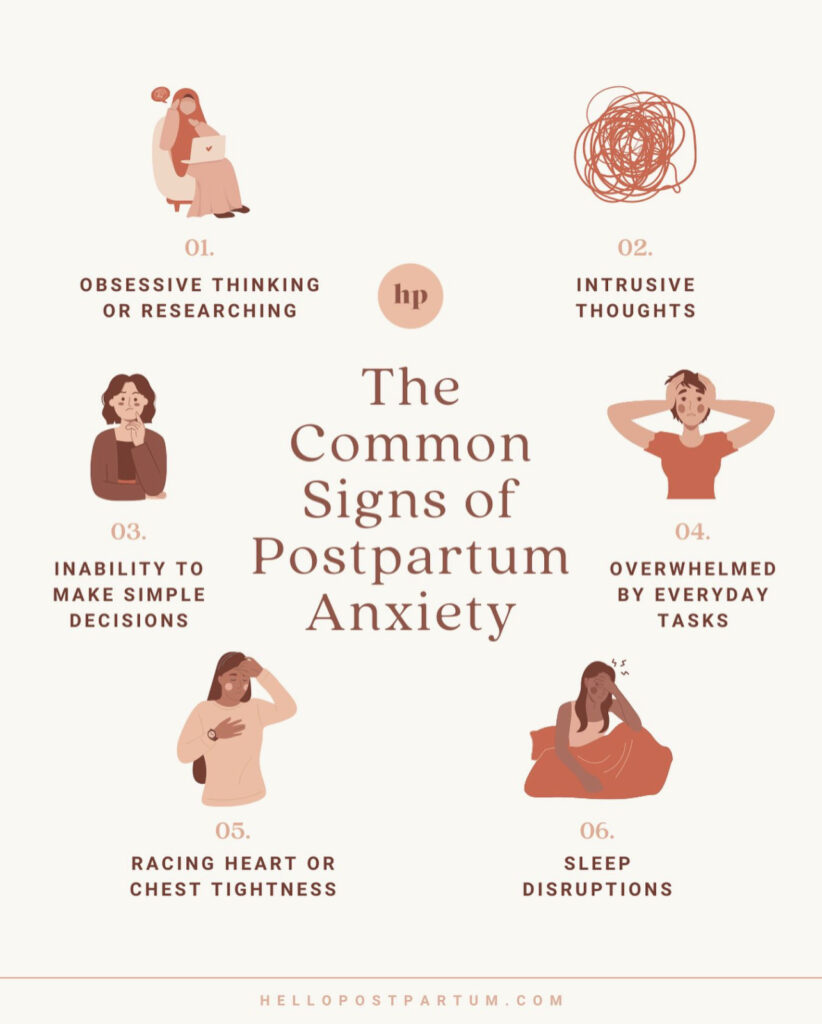
Entering the domain of postpartum therapy can be like traversing an unfamiliar terrain. You may be feeling overwhelmed or exhausted, dealing with mood swings and other depression symptoms.
The first steps
Your first session is typically an opportunity for your therapist to understand what you’re going through.
It’s common to discuss your birth experience, how you’ve been coping since bringing your baby home, any anxiety disorders or risk factors you might have had before pregnancy, and even details about your health insurance coverage – which could affect how regular therapy sessions are scheduled.
A mental health professional will likely ask questions about how often these feelings occur and whether they affect daily life. They’ll want a complete picture of what’s happening to offer targeted help.
But remember, this isn’t an exam – it’s okay not to know all the answers immediately.
Finding comfort in shared experiences
If group therapy feels like a good fit for you, expect lots of shared experiences from perinatal women who’ve felt just as stressed out or tired as yourself.
There’s something comforting in realizing that many moms experience similar struggles during their postpartum period.
Postpartum Support International provides online support groups, letting new mothers connect from wherever they are – ideal if leaving home seems too much.
Cognitive behavioral techniques and coping strategies
In individual counseling sessions or group therapy services alike, therapists use cognitive behavioral techniques designed specifically around perinatal mental health issues such as postnatal depression and/or anxiety disorder.
Therapists can help you recognize and alter thought processes that may be exacerbating postnatal depression symptoms. It’s about giving you new tools to manage the rollercoaster of emotions that a new baby brings.
Treatment beyond talk therapy
There are instances where your depression therapist might find it necessary to suggest medication. This would be in addition to therapy sessions, and it’s always a decision made with careful consideration.
Key Takeaway:
The journey can feel overwhelming, but remember, it’s okay to seek help. Postpartum therapy provides a platform for you to express your emotions freely and gain valuable coping strategies.
The shared experiences from group sessions or online support groups often offer comfort and understanding in knowing that many moms are navigating the same challenges.
FAQs about postpartum therapy
What type of psychologist is suitable for postpartum?
A clinical psychologist specializing in perinatal mental health issues can provide the right help for postpartum depression. Ideally, the professional you work with has a PMH-C designation as well.
What doctor do you talk to about postpartum?
Talk to your obstetrician or primary care physician. They might refer you to a psychiatrist who specializes in mental health conditions, including PPD.
What helps with postpartum?
Mental wellness strategies like therapy, medication, self-care practices, and support from loved ones all play crucial roles in managing PPD.
How long can you deal with postpartum?
Symptoms of PPD can appear days after childbirth or up to a year later. The duration varies among individuals, but professional help should be sought promptly.
Related: Can Postpartum Depression Be Delayed?
Conclusion
So, we’ve journeyed together through the stormy seas of postpartum depression. We now know what it is and how to spot its signs – from feeling overwhelmed to persistent mood swings.
We discovered that psychologists, social workers, and psychiatrists are our go-to professionals for postpartum therapy. Each brings unique skills and expertise to help you navigate your way back.
Finding a therapist isn’t as daunting anymore with online resources like Postpartum Support International or the American Psychological Association Psychologist Locator at hand.
We learned about emotional healing through therapy and how it can improve self-esteem in new moms experiencing PPD.
Remember: qualifications matter when choosing a therapist to support your mental health journey after birth.
In this quest for wellness, you’re not alone! Armed with knowledge and professional support nearby – your path toward better mental health starts here.